


Cufflinks began as practical fasteners for formal shirts and evolved into one of men's most recognisable jewellery accessories. Their history reflects changes in tailoring, manufacturing, social dress codes and personal style.
Early Origins of Cufflinks
Decorative shirt fasteners became increasingly popular in European formal dress during the 17th and 18th centuries. Over time, more elaborate designs and precious materials turned functional fasteners into status and style accessories.
How Cufflinks Became More Accessible
Advances in manufacturing during the Industrial Revolution helped make decorative accessories available to a wider audience. By the 19th and 20th centuries, cufflinks appeared in many materials, designs and price ranges.
Cufflinks as a Symbol of Personal Style
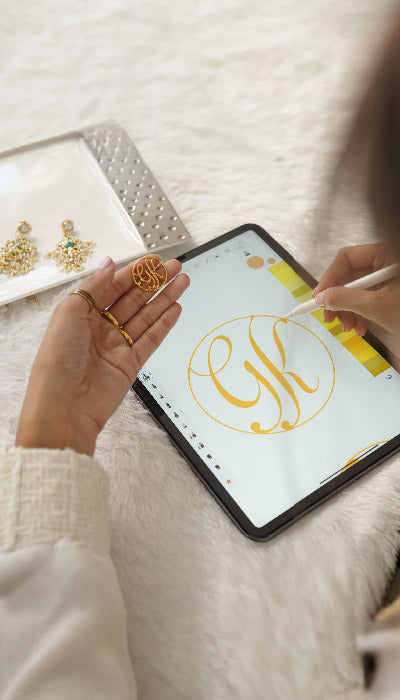
As formal menswear developed, cufflinks became a subtle way to express personality. Monograms, gemstones, motifs and distinctive shapes allowed men to add individuality without changing the overall formality of an outfit.
How to Wear Cufflinks Today
- Work: choose clean, understated designs.
- Weddings: consider gemstones, Polki-inspired or heritage details.
- Black-tie events: keep the design refined and coordinate it with other accessories.
- Gifting: personalised or motif-based cufflinks can make a thoughtful gift.
Do Cufflinks Still Matter?
Absolutely. Although they are less common in everyday casual dressing, cufflinks remain a useful way to add detail to formal shirts and wedding attire. Their longevity comes from combining function with personal style.
Frequently Asked Questions
When should you wear cufflinks?
Cufflinks are most commonly worn with shirts designed for cufflinks, particularly French-cuff shirts, and are popular for formal events, weddings and business dressing.
Are cufflinks good gifts for men?
Yes. They are especially suitable for weddings, anniversaries, birthdays, Father's Day and professional milestones.
Explore Eterno India's men's jewellery collection.

